
A China sourcing agent quoting 3% is not automatically cheaper than one quoting 5%. An agent charging 10% or 15% is not automatically overpriced. The percentage means very little until you know what the agent is responsible for, which costs remain separate and whether supplier quotations and third-party invoices are visible.
This guide explains how sourcing agent fees work, what can sit behind a “free” offer and which questions to ask before paying a supplier deposit. The objective is not to find the lowest headline rate. It is to identify the fee structure that produces the lowest controlled total cost for your order.
1. The reality of sourcing agent fees: percentage, fixed or “free”?
China sourcing agents generally use one or more of four commercial models. None is inherently good or bad. The right model depends on order value, product complexity, number of suppliers and the amount of work the agent accepts.
| Fee model | Market example | Often suitable for | What must be clarified |
|---|---|---|---|
| Percentage commission | Approximately 3%–15% of managed order value | End-to-end purchasing where workload grows with the order | Commission base, minimum fee, included services and supplier-side compensation |
| Fixed project fee | Quoted per supplier, product, milestone or defined project | Supplier searches, quote comparisons, document checks and short assignments | Number of candidates, revisions, samples, calls and final deliverables |
| Day rate | About $120 for some local accompaniment roles; roughly $250–$350 or more for specialist inspection work | Market visits, factory visits, audits or inspection days | Travel, technical depth, testing, report format, working hours and follow-up |
| Monthly retainer | Negotiated against team capacity and recurring workload | Brands running multiple suppliers or continuous product development | Hours, response times, staff allocation, rollover and termination terms |
| Supplier-funded or “free” | No visible buyer fee | Introductions or transactions where another party pays the intermediary | Who pays, whether the payment affects supplier selection, and whether prices can be verified |
What does 3%, 5% or 15% actually buy?
A 3% quote may be commercially workable for a large, repeat order with one established factory and little operational support. Around 5% is often discussed for broader coordination, but it is not an industry law. A 10%–15% fee can be reasonable for small orders, fragmented purchasing, product development, intensive follow-up or many suppliers—especially when a percentage must cover substantial work on a low order value.
The reverse is also true: a percentage can be expensive even when the number looks low. If supplier verification, sample management, inspection, domestic freight, export packing and international shipping are billed separately, a 3% headline rate may describe only sourcing and negotiation.
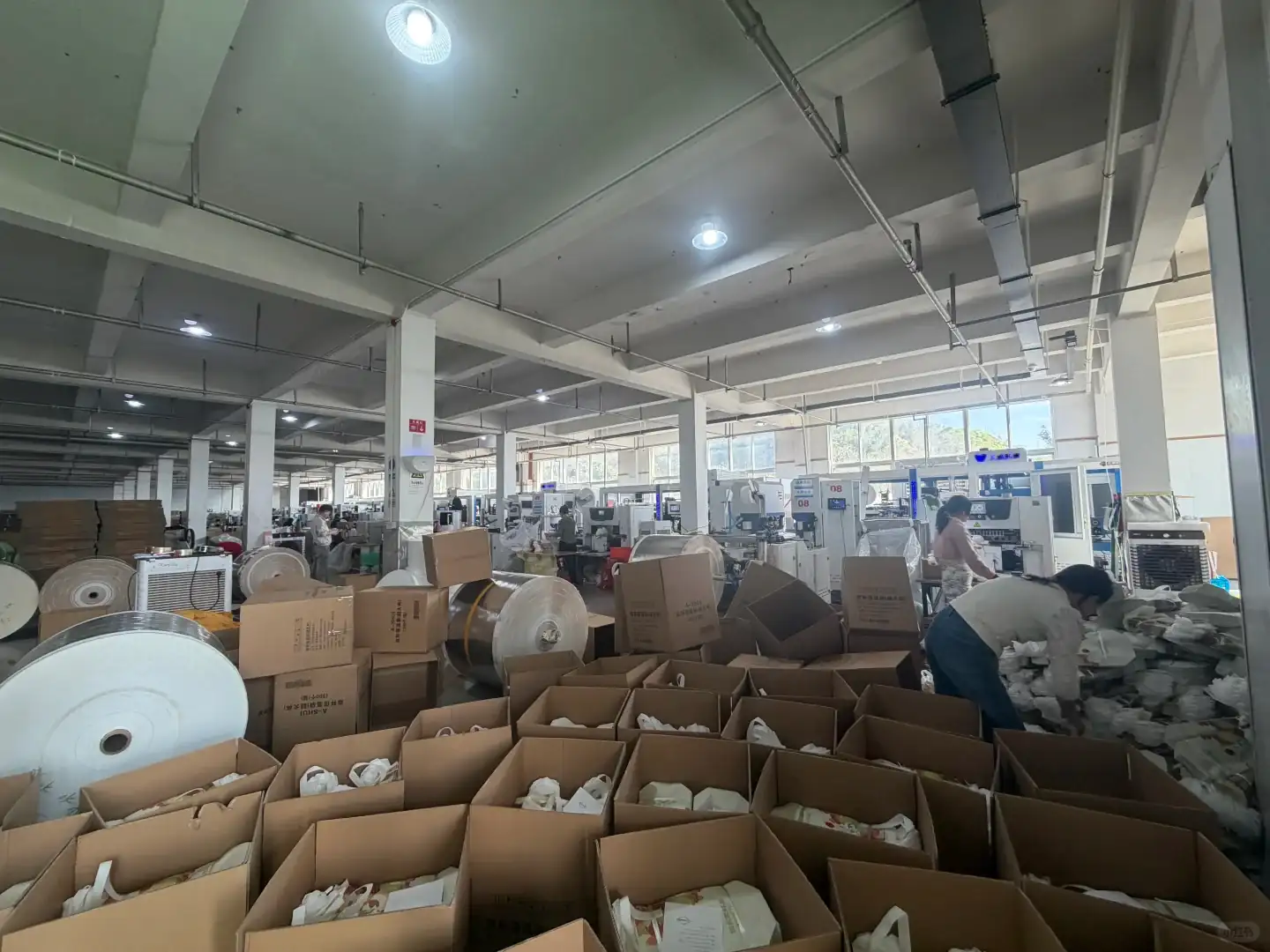
A local furniture-market assistant in Foshan may charge around $120 for a day of accompaniment, translation and showroom coordination. That is a different scope from verifying a legal entity, entering a factory, reviewing active production, applying an inspection protocol or issuing an evidence-based English report. Compare deliverables—not just the word “day.”
When “free” needs more questions
An agent can be paid by the buyer, the supplier, a logistics provider or a combination of them. A supplier-funded model is not automatically dishonest, but the economic relationship should be disclosed. Otherwise the buyer cannot tell whether a recommendation reflects manufacturing fit or the commission available to the intermediary.
Potential hidden sourcing fees include an undisclosed unit-price spread, exchange-rate margin, freight markup, inspection referral fee or supplier rebate. Do not assume that every low-fee agent uses these methods. Ask for enough source documentation to determine how the business is paid.
2. The math of total landed cost vs. a cheap factory price
Never look at product price alone. Compare the total landed cost and the risks that can still change it.
Total landed cost combines the product, domestic transport, inspections, export packing, international freight, duty, tax and foreseeable correction costs. It also depends on destination-market requirements. For example, some India-bound product categories require BIS compliance, while US and European products may fall under different safety, labeling or documentation regimes. A sourcing agent should not pretend to be the final legal authority, but should identify when specialist compliance review is required.
| Cost dimension | Opaque intermediary | Open-book arrangement | Buyer control |
|---|---|---|---|
| Factory unit price | Presented as $11.50 after an undisclosed hypothetical 15% spread | Original $10.00 quotation remains visible | Buyer can verify the starting cost |
| Visible agent fee | $0.00 shown as a “free” service | $0.50 per unit using an illustrative 5% fee on the $10.00 product value | Scope and incentive can be evaluated |
| Pre-shipment check | Production follow-up or photos may be described as “QC” | A separate pre-shipment inspection can define sampling, tests and defect classification | Buyer knows what was actually inspected |
| Compliance | Responsibility may be undefined | Required documents and external testing responsibilities are assigned before ordering | Gaps can be escalated before shipment |
| Unit cost before separately scoped services | $11.50 = $11.50 presented product price + $0 visible fee | $10.50 = $10.00 factory price + $0.50 disclosed fee | $1.00 less per unit, or 8.7% below the opaque presented unit cost |
| 1,000-unit order | $11,500 | $10,500 | $1,000 illustrative procurement-cost difference |
Important: the $10.00, 5% and 15% figures above are a transparent calculation example, not a claim about every agent or a promise that Jaime Sourcing applies a 5% commission to every project. The $1.00 difference is not “pure profit”: inspection, testing, freight, duty, tax and other separately scoped costs still have to be added on the same basis for both options.

If you are buying from 1688 with local sourcing support, include domestic seller freight, local payment handling, returns, receiving checks, repacking and consolidation. The listing price alone is not a usable landed-cost comparison.
3. Three tests before paying any supplier deposit
Use these questions with every sourcing agent—including us. The useful evidence is not a confident answer; it is the documents, access and contract terms behind the answer.
Test 1: “Will you disclose the factory’s exact identity and allow direct communication?”
There can be legitimate timing and confidentiality limits during an initial paid search, but the buyer should understand when the manufacturer’s legal name, address and direct operational contacts will be disclosed. Permanent anonymity prevents independent supplier verification and makes it difficult to separate the agent’s service fee from a trading spread.
Test 2: “Can you show an anonymized example of your real work product?”
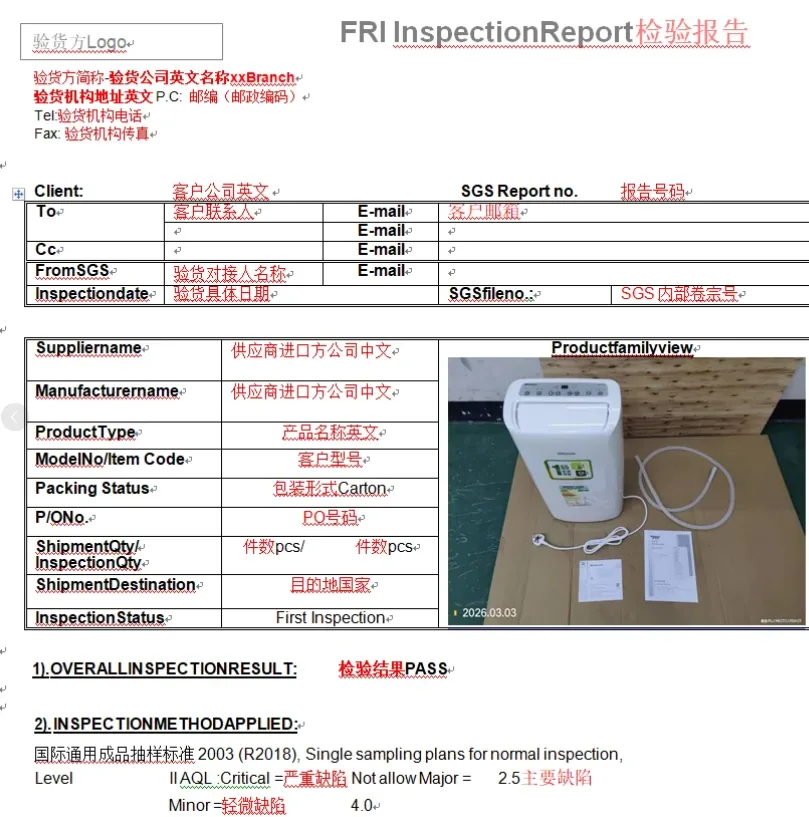
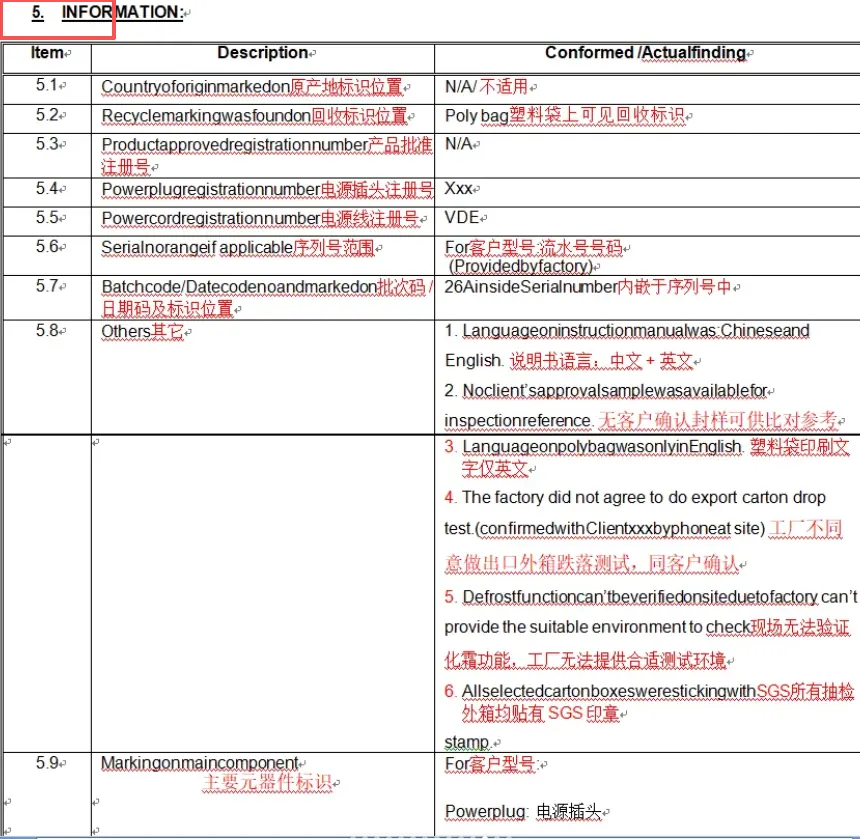
Ask for a redacted verification memo, factory-audit summary or inspection report. “We do QC” can mean a supplier phone call, a few production photographs or a structured inspection. A useful example should show the requirement checked, sample or observation method, measured result, exception and supporting evidence.
A professional on-site factory audit should distinguish legal-identity checks from physical observations. A pre-shipment inspection should identify the sampling plan, tests performed and defect results. The number of photographs is less important than whether each image supports a decision.
Test 3: “Will you disclose all supplier-side compensation in writing?”
A zero-kickback clause is one clear model. Another is full written disclosure of any factory, freight or referral compensation. What matters is that the buyer knows who pays the agent and can identify incentives that might influence supplier selection, inspection conclusions or logistics recommendations.
“What compliance requirement could stop this product at my border?” A responsible agent should either identify the relevant issue or clearly recommend specialist confirmation. An improvised answer is more dangerous than admitting that a certification question sits outside the agent’s expertise.
4. How professional importers actually run their sourcing desk
Translate the specification into an inspection checklist
Before a deposit, convert material, dimensions, tolerances, color references, packaging and functional requirements into a bilingual approval document. “Same as sample” is rarely precise enough. The checklist should later become the basis for production checks and shipment release.
Use a shared evidence vault
Dropbox, Google Drive or another controlled workspace can hold supplier documents, quotations, approved samples, bilingual checklists, raw field photographs, videos and inspection reports. Agree on folder names and access rights. Important evidence should not exist only as compressed images scattered across WeChat conversations.
Run a short weekly operating review
A focused weekly meeting can track sample approvals, material arrival, production milestones, unresolved deviations, inspection dates and shipping readiness. Use an exception list and named owners instead of asking for a generic “order update” every day.
Use a dual-agent strategy selectively
Some importers keep two sourcing channels to compare quotes, test market coverage or reduce peak-season dependency. This can be useful, but duplicating outreach carelessly can damage credibility with factories that repeatedly quote projects that never proceed. Divide categories or regions, disclose the process where appropriate and qualify the commercial intent before asking factories for extensive engineering work.
5. How Jaime Sourcing handles fees and execution
Jaime Sourcing separates defined risk-control services from broader sourcing work. The site publishes starting prices for services such as supplier checks, factory audits and inspections; sourcing and delivery work is quoted against the actual product, supplier count, location and execution scope.
- Open-book structure: supplier quotations and separately agreed service charges remain distinguishable.
- No supplier commissions: our commercial relationship is with the buyer, not a factory paying to be recommended.
- Buyer choice: you may bring your own supplier or ask for sourcing support.
- Separate checkpoints: desktop verification does not pretend to prove factory capacity; on-site and shipment checks are scoped separately.
- Buyer approval: supplier selection, purchase terms and major payments remain subject to your approval.
See the current transparent pricing schedule for published starting scopes. A final quote should state deliverables, exclusions, travel, third-party testing, freight and any percentage base before work begins.